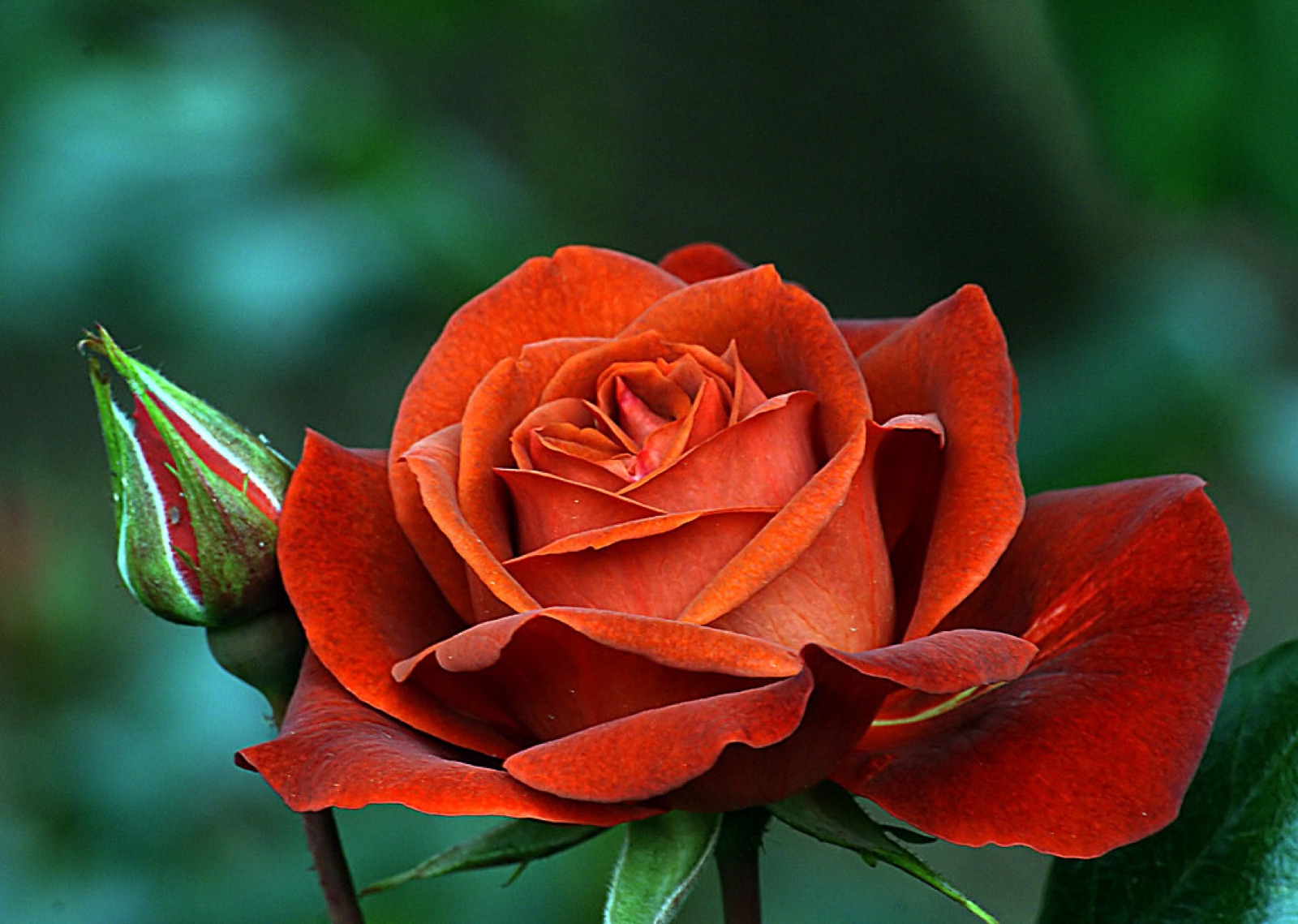

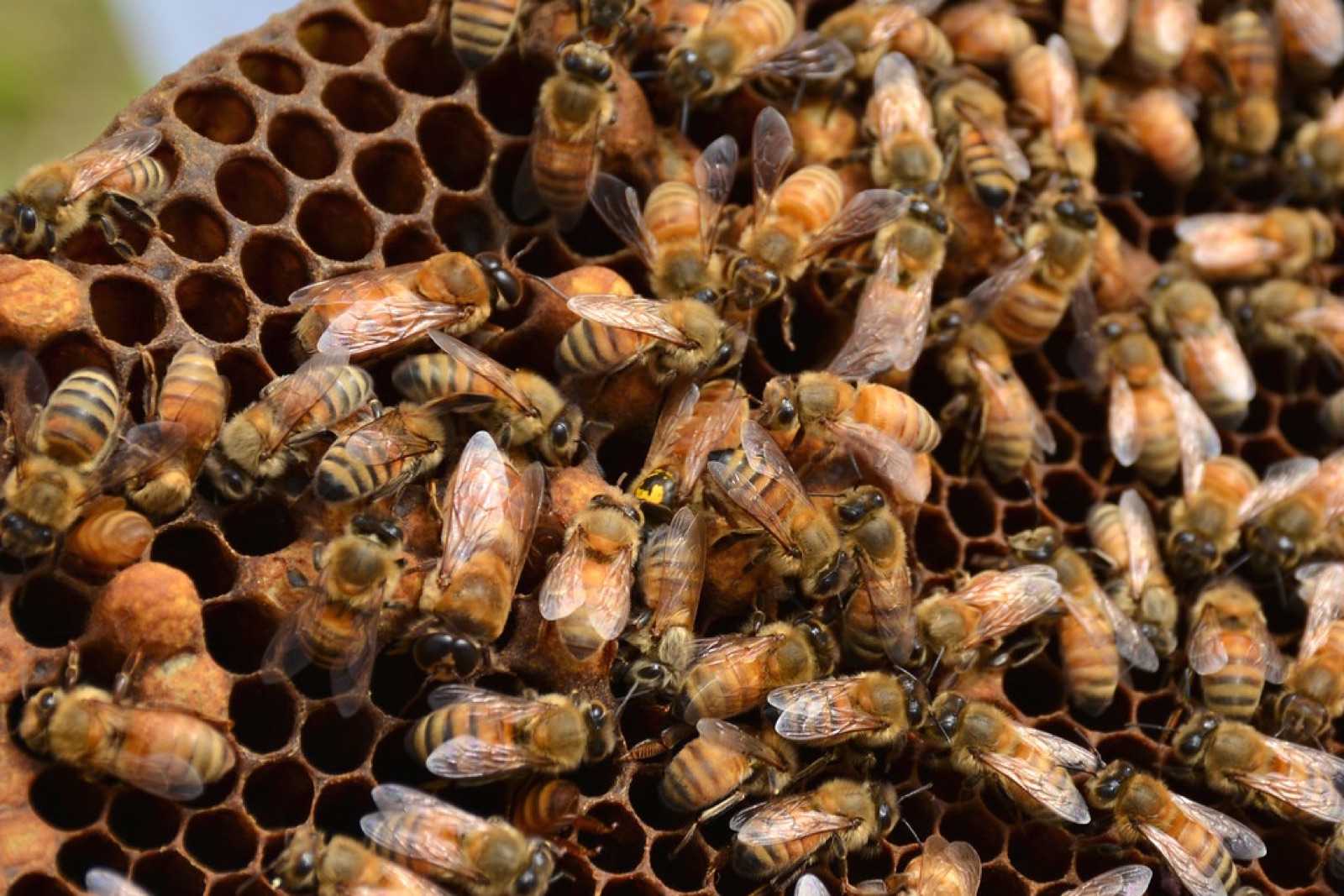
Quick answer: To attract bees and butterflies, sow open, single-flowered blooms such as cosmos, sunflower, single zinnia and tulsi, plant them in clumps in a sunny spot, keep something in flower all season, add a shallow water dish with pebbles, plant curry leaf or citrus as caterpillar food and avoid pesticides. Bees favour blue, purple, yellow and white; butterflies favour flat, clustered flowers they can perch on.
Key takeaways
- Pollinators matter for food: Klein et al. found that 87 of the 115 leading global crops benefit from animal pollination, but those crops supply only about 35% of world production by volume.
- Choose open, single flowers. Double flowers often hide or lose their nectar and pollen.
- Bees see blue, green and ultraviolet and cannot see red; they favour violet, blue, yellow and white flowers.
- Butterflies lay eggs on specific host plants. In India, curry leaf and citrus host the lime butterfly and the Common Mormon.
- Avoid lantana. It is an aggressive invader in India, even though butterflies visit it.
Why pollinators are your garden's secret workforce
Most people plant flowers for colour, but the bees, butterflies, hoverflies and beetles they attract carry pollen for the vegetables next to them. The famous figure is that about three-quarters of the world's crops depend on pollinators. Here is what the research actually says. Klein and colleagues (2007) estimated that 87 of the leading 115 global food crops rely on animal pollination for fruit, vegetable or seed production, while 28 do not. Weighted by tonnes, however, only about 35% of world production comes from pollinator-dependent crops. Pollination matters most for fruits, vegetables, nuts and oilseeds, which is exactly what you grow on a balcony.
Which of your vegetables depend on bees?
| Crop | What the sources say | Practical meaning |
|---|---|---|
| Tomato, chilli, brinjal | NDSU Extension: flowers can self-pollinate by wind, but bumble bees improve fruit set and size by vibrating the flowers. A meta-analysis found buzz-pollinating bees raised tomato fruit weight; non-buzzing honey bees did not | You get some fruit anyway; a flower-rich garden gives fuller fruit. Carpenter bees and other solitary bees are the buzzers |
| Bottle gourd, ridge gourd, bitter gourd, pumpkin, cucumber | Delaware Extension: male flowers must open in step with female flowers and insect pollinators must be active to produce fruit. NDSU says most cucurbits depend on bees because each plant has separate male and female flowers | If your gourd flowers but does not fruit, the early flowers may all be male, or there are no bees. Hand pollination with a brush is the short-term fix |
| Okra, beans, coriander | Evidence is less clear | Likely helped by pollinators, but not a proven dependence |
In short, a flowering border is not a distraction from your vegetables. It is the support system that makes them fruit well. For the vegetable side of the garden, see the 4x4 kitchen garden guide.
The best flowers to sow
You do not need a rare plant list. Some of the best nectar and pollen sources are cheerful annuals that grow across most of India. Pack data comes from the My Mali product pages.
| Flower or herb | Why it works | Pack data |
|---|---|---|
| Cosmos (orange) | Open, single-faced flower that bees and butterflies land on easily | 5-6 hrs sun, 60-75 days to bloom, sprouts in 7-10 days, 25-30 cm apart |
| Sunflower | Large landing pad with pollen and nectar; later a bird feeder | 6-8 hrs sun, 70-90 days, sprouts in 7-10 days |
| Tulsi (holy basil) | Let it flower. Studies of sweet basil (a related species) in Jammu found many insect visitors, mostly non-honeybee bees | 4-6 hrs sun, 45-60 days, sow 0.5 cm deep |
| Dill and coriander left to bolt | Small-flowered herbs that attract adult hover flies, whose larvae eat aphids (Wisconsin Extension) | Dill 5-6 hrs, 40-50 days, sprouts 10-14 days; coriander 4-6 hrs, 40-50 days |
| French marigold | Popular and tough; check the form (single vs double) before relying on it for pollinators | 5-6 hrs sun, 55-70 days, sprouts in 5-7 days, 20-25 cm apart |
| Zinnia (Lilliput mix) | Zinnias are widely used for butterflies, but see the double-flower note below | 5-6 hrs sun, 55-70 days, 0.5 cm deep, sprouts in 5-7 days, 20-30 cm apart |
Note on double-flowered packs: The My Mali packs named "Zinnia Double Mix" and "Marigold African Double" are double types, and the Lilliput zinnia is not labelled single either. Double flowers are the weak choice for pollinators (see below). Look for single-flowered types when you want to feed pollinators.
Browse the flowering seeds range for more options.
Bees and butterflies want different things
Bees and butterflies have different tastes. Penn State Extension says bees see blue, green and ultraviolet, cannot see red, and are drawn to violet, purple, blue, yellow and white flowers, often with UV markings. They prefer flat, disk-shaped flowers with easy nectar, though some bees visit tubular flowers. Butterflies like flat or clustered flowers they can perch on while they sip, and warm, sheltered, sunny corners. For butterflies, Penn State notes that a large drift of one plant is easier to spot. For bees, treat drifts as common practice rather than proven.
Skip the double flowers
Double flowers come from mutations that turn pollen-producing stamens into extra petals, so there is less pollen. Their nectar can be buried under dense petals. A 2019 study of cherry cultivars found the double-flowered 'Kanzan' offered only tiny amounts of nectar and pollen, and the Laidback Gardener explains why access is often blocked altogether. Not every double is empty: some still hold pollen that insects cannot reach. The safe rule is to choose single or semi-double flowers with an open centre where you can.
Keep something in flower all season
A garden that flowers in one big flush and then goes bare starves its visitors. Aim for overlapping bloom: sow a fresh batch of quick annuals like cosmos and zinnia every few weeks, include long-flowering plants, and let a few herbs bolt. Packs take 55-90 days to bloom, so count backwards from the season you want colour. For timing, see the monsoon sowing guide and the October sowing list, and for getting more blooms, the more flowers guide.
Make it a home: host plants for caterpillars
If you want butterflies to breed, not just visit, feed the caterpillars. Each butterfly lays eggs on particular host plants. In India, two of the commonest garden butterflies use the citrus family:
- Lime butterfly (lime swallowtail, Papilio demoleus): outside Australia its larvae feed on Rutaceae, including citrus and curry leaf, plus bael and a few wild relatives (UF/IFAS). Indian studies call it a serious pest of nursery curry leaf and young citrus, so expect chewed leaves.
- Common Mormon (Papilio polytes): its larval food plants are also Rutaceae, including Citrus, Murraya (curry leaf), Aegle (bael) and Glycosmis (Learn Butterflies).
- Dill and fennel: these carrot-family plants host the Common Yellow Swallowtail (Papilio machaon) in other regions; There is an Indian record on a wild carrot-family plant, but coriander is not confirmed as a host, so do not count on it everywhere.
Note: the Common Mormon uses Rutaceae, not fennel, dill or coriander. A potted lemon or a curry leaf plant is the more reliable nursery for lime butterfly and Common Mormon. Accepting a few chewed leaves is the price of the show.
Water, shelter and the lantana trap
Pollinators get thirsty in the Indian heat, and many cannot drink from open water without drowning. Put out a shallow dish with pebbles or marbles rising above the waterline so insects can perch and sip. Refresh it every couple of days to keep it clean and to avoid breeding mosquitoes.
One plant to avoid: lantana. Butterflies do visit it, which is why it appears in garden lists, but it is one of the most widespread invasive plants in India, spreading across millions of hectares and threatening forest habitat, including tiger habitat. Mongabay India summarises a study showing it in more than 40% of the tiger range. Choose the annuals above instead.
Go pesticide-free
You can do everything else right and still empty the garden with one spray. Broad insecticides do not tell the aphid you dislike from the bee you invited. When something gets out of hand, use gentle tools first: a firm jet of water, hand-picking or a mild neem spray. Extension advice is to apply neem in the late evening or early morning when bees are inactive, avoid open flowers and not mix it with soap (extension Q&A). The aphid and mealybug guide and the neem oil guide cover the details.
A flower-rich garden tends to defend itself, because hover fly larvae and other predators move in. Start small: a grow bag of cosmos, a pot of tulsi left to bloom and a saucer of water with pebbles. Within a season you should see the difference in the flowers and in your fruit set.
Conclusion
Plant for pollinators and they repay you across the whole garden: more bees at the flowers, better fruit on the brinjal, tomato and gourd, and butterflies if you also grow curry leaf or citrus. Start with cosmos, sunflower and tulsi, keep something in bloom, and skip the sprays. If a pack does not sprout after you sow as guided, the Germination Promise covers a replacement within 14 days.
Written by RISHI MISHRA
Agricultural Microbiology
- Qualification
- M.Sc. (Microbiology)
- Experience
- 15 years · Agricultural Microbiology, R&D, Quality Control, Fermentation, Biofertilizer and Biopesticide Development
- Agricultural Microbiology and Microbial Research
- Biofertilizer and Biopesticide Development
- Microbial Fermentation and Culture Handling
- Quality Control and Laboratory Management
- Agricultural Product Formulation and Evaluation
- Sustainable Agriculture and Soil Health
Rishi Mishra is an agricultural microbiology professional with 15 years of experience in microbial research, biofertilizer and biopesticide development, fermentation, and quality control. He holds an M.Sc. in Microbiology and specializes in microbial culture handling, agricultural product formulation, laboratory management, and product evaluation. His expertise focuses on developing effective microbial solutions, improving soil health, and supporting sustainable agricultural practices through research and innovation.
View all guides by RISHI MISHRA →Frequently Asked Questions
Which flowers attract bees and butterflies in India?
Open, single-flowered annuals and herbs work best: cosmos, sunflower, zinnia, tulsi and marigold in single forms, plus dill and coriander left to flower. Bees favour violet, blue, yellow and white blooms, and butterflies favour flat or clustered flowers they can perch on.
Which flowers attract bees to a vegetable garden?
Sow cosmos, sunflower, tulsi and single zinnia near your vegetables, and let a few dill or coriander plants bolt. Tomato, chilli and brinjal set some fruit alone but bumble bees and solitary bees improve fruit set and size, and gourds depend on bees to carry pollen between male and female flowers.
Why do my gourd flowers fall off without fruit?
The early flowers on gourds, squash and cucumber are often all male, and female flowers need pollen from the male ones carried by bees. Delaware Extension says male and female flowers must open in synchrony with active pollinators. Wait for female flowers, which show a small swelling, or hand-pollinate with a brush.
Do tomatoes and brinjal need bees?
They set some fruit without bees, but bees help. NDSU Extension says bumble bees improve fruit set and size by vibrating the flowers, and a meta-analysis found buzz-pollinating bees raised tomato fruit weight while honey bees did not. Carpenter bees and other solitary bees do the buzzing.
What colours do bees prefer?
Penn State Extension says bees see blue, green and ultraviolet, cannot see red, and favour violet, purple, blue, yellow and white flowers with easy nectar. Flat, disk-shaped blooms such as cosmos and sunflower suit them. Butterflies prefer flat or clustered flowers to perch on.
Which plants do butterflies lay eggs on in India?
The lime butterfly and the Common Mormon use Rutaceae: citrus, curry leaf, bael and relatives. A potted lemon or curry leaf plant is the best caterpillar food for a balcony. Expect chewed leaves, which are the price of having butterflies breed.
Are double flowers bad for bees?
Often, yes. Double flowers are bred with extra petals in place of stamens, so they offer less pollen, and nectar can be hidden under dense petals. A 2019 study of cherry found a double-flowered cultivar gave only tiny amounts of nectar and pollen. Choose single or semi-double flowers.
How do I attract bees to my garden?
Plant open single flowers in blocks, keep something in bloom through the season, add a shallow dish of water with pebbles, leave a few herbs to flower and avoid pesticides. Bees visit sunny spots with flowers of violet, blue, yellow and white.
Is neem oil safe for bees?
Extension guidance says neem is generally low risk to bees if you avoid direct contact. Spray in the late evening or early morning when bees are inactive, skip open flowers, do not mix it with soap and follow the product label. Delaware lists neem at medium bee toxicity, so timing matters.
Should I plant lantana for butterflies?
Avoid it. Butterflies visit lantana, but it is one of India's most widespread invasive plants and spreads across forest habitat, including tiger habitat. Choose cosmos, zinnia, sunflower, tulsi and other annuals, and a curry leaf or citrus plant to feed caterpillars.
More from the Journal
All guides → Seed Growing & Germination Guides
Petunia from Seed: A Beginner's Guide to Winter Blooms in Pots
Grow petunia from seeds in pots: when to sow in India, light, germination days, transplanting, pinching, feeding and bloom time. A simple beginner guide.
 Seed Growing & Germination Guides
 Plant Care, Pests & Fertilizing